
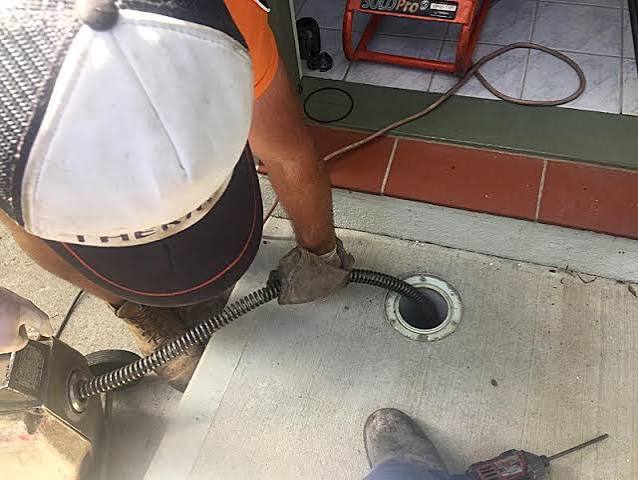
Blocked drains can start with a small warning, such as slow water flow, an unpleasant smell or a gurgling sound from the pipes. Left unresolved, a blockage may become more difficult to clear and can affect sinks, toilets, showers, sewer lines or stormwater systems. For Canberra homes and businesses, recurring drainage problems can have several causes. Grease, hair, food waste, foreign objects, tree roots, sediment and damaged pipes can all affect how water moves through a drainage system.
Professional drain cleaning services in Canberra can help identify the cause of a persistent blockage and use suitable equipment to clear it. The right approach depends on the type, location and severity of the drainage problem.
Why Do Drains Keep Blocking?
A drain that repeatedly becomes blocked may have a problem beyond the immediate obstruction. Simply clearing the visible blockage may provide temporary relief without addressing what caused it.
Some common causes include:
Grease And Food Build-Up
Kitchen drains can collect fats, oils, grease and food particles over time. These materials may stick to the inside of pipes and gradually reduce the available space for water to flow. Pouring cooking oil down the sink can make this problem worse. Even small amounts can combine with other debris inside the pipe.
Hair And Soap Residue
Bathroom drains commonly collect hair, soap residue and other material. These can form a mass that slows drainage and eventually prevents water from passing through normally. Regularly removing visible hair from shower and basin outlets can help reduce surface-level build-up, but deeper blockages may require professional attention.
Tree Roots
Tree roots can enter damaged or poorly sealed underground pipes while searching for moisture. Once inside, roots can restrict water flow and collect other debris. Root-related blockages can be persistent because removing the material from the pipe may not address the underlying pipe damage.
Damaged Or Misaligned Pipes
Older drainage systems may develop cracks, breaks, collapsed sections or joints that have shifted over time. These issues can create areas where debris collects. When a blockage keeps returning in the same location, investigating the condition of the pipe can be more useful than repeatedly clearing the same obstruction.
Signs You May Need Professional Drain Cleaning
Not every slow drain requires an urgent plumbing visit. However, Eveready Plumbing recommends paying attention to warning signs that may indicate a deeper problem within the drainage system.
Look out for:
- Water draining more slowly than usual
- Gurgling sounds from sinks, toilets or floor drains
- Unpleasant smells coming from drains
- Water backing up into sinks, showers or other fixtures
- Toilets that repeatedly struggle to drain
- Multiple drains becoming slow at the same time
- Blockages that return soon after being cleared
- Sewage or wastewater appearing where it should not
A single slow basin may have a local obstruction. Several affected fixtures can indicate a blockage further along the drainage line.
How Professional Drain Cleaning Works
Professional drain cleaning is not simply about forcing an obstruction further down the pipe. A plumber first needs to understand what is happening and select an appropriate method. The process can vary depending on the drainage system and the type of blockage.
Initial Assessment
The plumber checks the symptoms, affected fixtures and drainage points to understand the likely cause and decide whether further investigation is needed.
Mechanical Drain Cleaning
Mechanical equipment, such as electric eel equipment, can help break through and remove blockages that basic household methods cannot clear.
High Pressure Water Jetting
High pressure water jetting uses controlled water pressure to remove grease, sediment and debris from suitable pipes. The method depends on the pipe condition and blockage type.
CCTV Drain Inspections
CCTV inspections provide a view inside drainage pipes and can help identify root intrusion, damage, breaks and other causes of recurring blockages.
Why CCTV Inspection Can Matter For Recurring Blockages
Clearing a drain can restore water flow, but it does not always explain why the blockage occurred. For example, if tree roots are entering a damaged section of pipe, removing the roots may improve drainage temporarily. If the damaged section remains, another blockage may develop later. A CCTV inspection can help provide visual information about the condition of the pipe. This can be particularly useful when:
- The same drain keeps blocking
- Several fixtures are affected
- Tree roots are suspected
- The blockage is underground
- A property has an older drainage system
- Previous clearing work has only provided temporary results
Understanding the condition of the pipe can help determine what should happen next instead of relying on repeated guesswork.
Sewer And Stormwater Drain Problems In Canberra
Drainage problems are not limited to household sinks and toilets. Sewer and stormwater systems can also develop blockages or flow problems. Sewer drains carry wastewater away from buildings, while stormwater systems are designed to manage rainwater. They serve different purposes, so the signs and causes of problems can vary.
Stormwater issues may involve leaves, soil, sediment or other outdoor debris. Sewer problems may involve household waste, tree roots, pipe damage or accumulated material. For Canberra properties, the surrounding environment and individual property's drainage layout can also influence the type of issue that develops. A proper assessment helps determine where the problem is located and what equipment is suitable.
When To Call A Local Plumber
Some minor drain issues can be managed with basic household maintenance. However, professional help is appropriate when a blockage is severe, recurring or affecting several fixtures. A local plumber in Canberra can assess the drainage system and determine whether the issue requires mechanical cleaning, water jetting, CCTV inspection or another plumbing solution.
Professional assistance is especially useful when wastewater is backing up, a sewer line appears blocked, or a blockage returns after previous attempts to clear it. Eveready Plumbing services Canberra and surrounding districts including Belconnen, Tuggeranong, Gungahlin, Weston Creek and Molonglo Valley. The business also provides domestic and commercial plumbing services.
How To Reduce The Risk Of Future Blockages
Drain maintenance starts with everyday habits. While no routine can prevent every blockage, simple steps can reduce unnecessary build-up.
Keep Grease Out Of Kitchen Drains
Allow cooking fats and oils to cool and dispose of them appropriately rather than washing them down the sink.
Use Drain Strainers
Strainers can catch hair, food particles and other material before it enters the pipe.
Be Careful What Goes Down The Toilet
Toilets should only be used for materials designed to be flushed. Items such as wipes, paper products and other household materials can contribute to blockages.
Pay Attention To Early Warning Signs
A drain that becomes slower over time should not always be ignored. Early investigation may help identify a developing problem before it causes a larger backup.
Investigate Recurring Problems
If the same drain blocks repeatedly, consider investigating the underlying drainage system rather than treating every blockage as a separate event.
What To Expect From Professional Drain Cleaning
The aim of professional drain cleaning is to restore proper drainage while understanding why the blockage occurred. The appropriate service may involve clearing the obstruction, cleaning the internal pipe surface, inspecting the pipe with CCTV or recommending further repair work where damage is identified.
Eveready Plumbing has been operating in the Canberra region since 1988 and provides drain cleaning for sewer and stormwater systems, along with CCTV inspections, high pressure water jetting and related drainage work. The company also states that it is licensed and insured for ACT and NSW plumbing work. The right solution depends on the individual drainage system, so an assessment is useful when a blockage is persistent or keeps returning.
Conclusion
Persistent drain blockages can be caused by anything from everyday household build-up to tree roots, damaged pipes or deeper drainage problems. Finding and addressing the underlying cause can be more useful than repeatedly treating the same blockage. Professional drain cleaning services in Canberra can include mechanical drain cleaning, high pressure water jetting and CCTV inspection, depending on the condition of the drainage system. Regular maintenance and early attention to warning signs can also help reduce the risk of serious drainage problems. For drainage issues around your home or business, Contact us today to discuss the problem with Eveready Plumbing and determine the appropriate next step.
Frequently Asked Questions
What causes persistent drain blockages?
Persistent blockages can be caused by grease, hair, food waste, foreign objects, tree roots, sediment or damaged pipes. If the same drain repeatedly blocks, the issue may be deeper within the drainage system.
How does professional drain cleaning clear a blockage?
A plumber may use mechanical drain cleaning equipment, high pressure water jetting or other suitable methods depending on the type and location of the blockage. The drainage system should be assessed before choosing the cleaning method.
When is a CCTV drain inspection needed?
A CCTV drain inspection can be useful when a blockage keeps returning, the location is difficult to identify, tree roots are suspected or pipe damage may be involved. It provides a view of the inside of the drainage pipe.
Can tree roots cause blocked drains?
Yes. Tree roots can enter damaged or poorly sealed underground pipes in search of moisture. Once inside, they can restrict water flow and collect other material, which may lead to recurring blockages.
How can I prevent blocked drains at home?
Avoid putting cooking grease and unsuitable materials down drains, use strainers where appropriate and pay attention to slow drainage, unusual smells or gurgling sounds. Recurring blockages should be professionally investigated.